Ultra Wide Bandwidth Transceiver for LTE Research
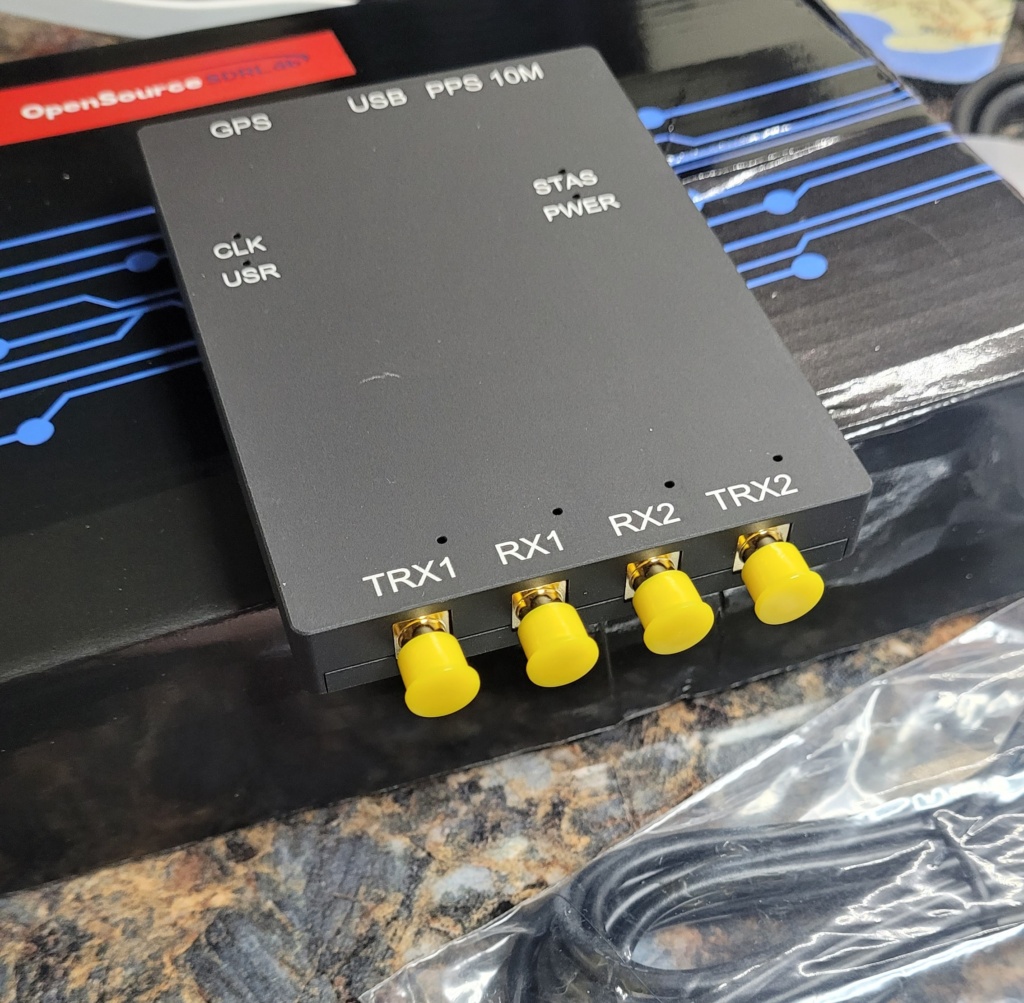
56Mhz rx Bandwidth is a game changer
The USRP B210 is a 2 channel software defined radio. This entry-level USRP SDR connects to the host computer via USB3 and supports fundamental wireless research, and prototyping. RF capabilities of the device include a frequency range of 70 MHz to 6 GHz and an RF bandwidth of 56 Mhz.
Coming from a background in Amateur Radio, where receive bandwidths are typically 3khz wide, seeing a received signal 20Mhz wide is somewhat mind blowing.
The Radio with 12 CPU Cores
While working on the LTE settings for the radio, I was getting “overruns” that were causing data loss and instability. The overruns with the USRP B210 were receive-buffer overruns: the B210 was delivering IQ samples faster than the DragonOS VM / GNU Radio processing chain could consistently consume them.
As I made further adjustments, the overruns got worse. After trying a few suggestions from ChatGPT I decided to throw some more processing power at the problem, and added 8 additional vCPU cores, for a total of 12 cores. The ‘shoe was immediately on the other foot’ as they say, and the processing chain had all the CPU power required to completely eliminate all overruns.
The HP Proliant ML350p Server has two XEON E5-2690 v2 CPU’s supplying a total 40 CPU cores @ 3Ghz. Under Proxmox, the CPUs are available as ‘Virtual CPUs’ and can be assigned to any of the four operating systems I have installed. I had started DragonOS with just four cores, not realizing at the time, that to fully sync to, and decode a 20Mhz wide LTE signal, it was going to require a lot more processing power than four, or even eight cores, could provide. In this case the magic number turned out to be twelve.
HackRF vs. usrp b210 Transceiver
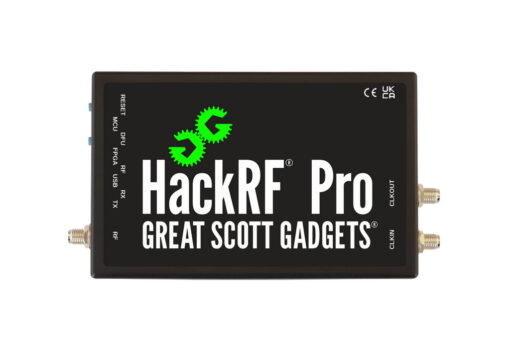
My first purchase was the HackRF Pro, and I quickly realized it would not fully support LTE research, as its bandwidth capabilities were not sufficient. I was unable to capture and sync any LTE signals using the Falcon Analyzer.
I then decided to take the plunge and PURCHASE the USRP B210. While it’s not an Ettus manufactured radio, it has all the Ettus compatibility, and utilizes a more up to date chipset in the AD9361BBCZ+XC7K325T combination.
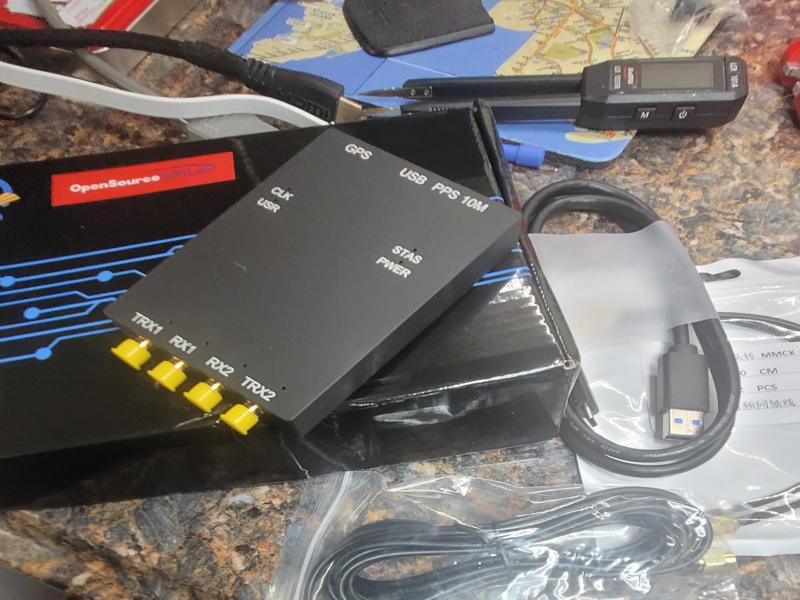
Advanced FPGA integration Equipped with the XC7K325T FPGA, this board enables real-time signal processing and flexible reconfigurable designs for complex SDR projects.
High-performance SDR development board The USRP B210 AD9361 supports up to 56MHz bandwidth, ideal for advanced software-defined radio applications in education and research environments.
My initial attempts to establish a synchronized LTE connection were unsuccessful. I had located and tuned to a valid LTE center frequency, but Falcon was still unable to lock into the timing bits, and it appeared the software was ‘overwhelmed’ by all the data trying to read it through a USB2 connection and experiencing a huge number of dropped data blocks.